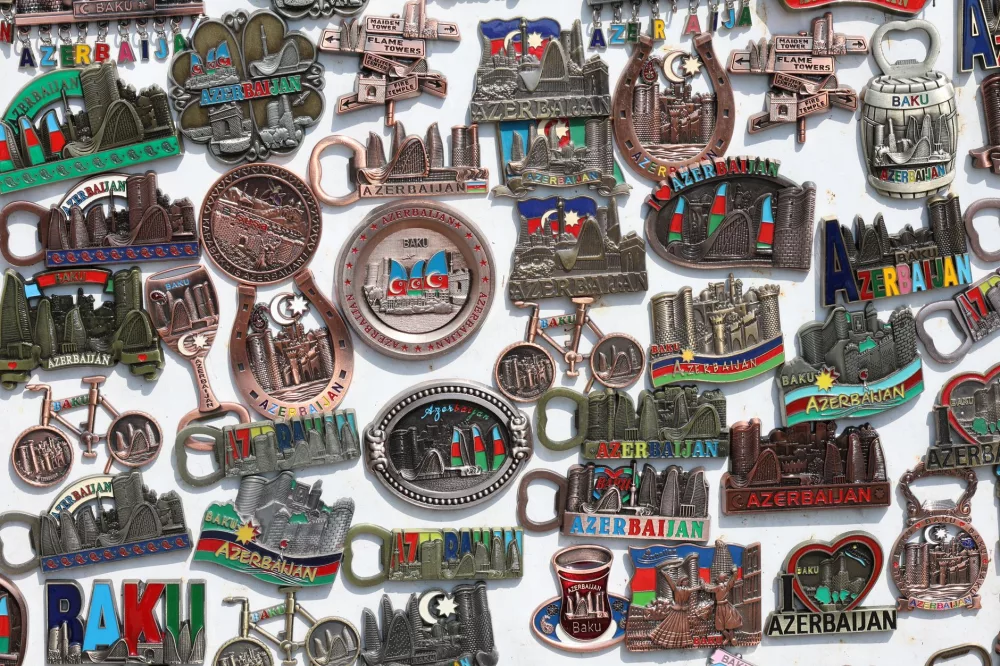
When I hear the word 'trinket,' my mind immediately conjures up images of tiny, often shiny objects. We typically think of them as small, inexpensive ornaments or pieces of jewelry, things of little intrinsic value. But you know what? I've always felt that definition barely scratches the surface. I believe trinkets hold a profound, often overlooked significance in our lives. They're more than just baubles; they’re miniature vessels of memory, culture, and personal expression.
Defining the Indefinable: What Makes a Trinket?
It’s a funny thing, trying to pin down exactly what constitutes a trinket. Is it the size? The cost? Or is it something else entirely? I’d argue it's a mix, weighted heavily by perception and sentiment. Generally, yes, they are small. You can usually hold one comfortably in the palm of your hand. And for the most part, they don't break the bank. You aren't investing in a trinket; you're acquiring it, perhaps on a whim or as a memento.
However, the real differentiator, I think, lies in its perceived value. A diamond necklace isn't a trinket, right? But a simple, handcrafted clay pendant, even if it costs pennies, might be. It boils down to the item's role in our lives. Trinkets aren't status symbols in the traditional sense. Instead, they serve as personal anchors, holding stories, aspirations, or connections that are deeply meaningful to us, the owners.
A Walk Through History: Trinkets Across Eras
We've been fascinated by small, decorative objects for pretty much forever. It isn't a new phenomenon at all. If we look back through history, we can see humanity’s consistent inclination to adorn ourselves and our spaces with these little bits and pieces.
- Ancient Beginnings: Think about prehistoric amulets or carved bone beads. These weren't just pretty; they were often seen as protective charms, symbols of status, or spiritual tools. Early societies valued these small tokens immensely, believing they could ward off evil or bring good fortune. I mean, that's pretty powerful for something so small!
- Victorian Era Keepsakes: The Victorians, with their penchant for sentimentality, elevated the trinket to an art form. Memento mori jewelry, lockets containing hair, or tiny mourning pins – these were all deeply personal and often had immense emotional weight, far beyond their material worth. They remind us that the emotional connection has always been primary.
- The Age of Souvenirs: Fast forward to the rise of tourism, and the souvenir trinket exploded. Little Eiffel Towers, snow globes, commemorative spoons – these objects became tangible proof of experiences, small trophies from our adventures. I bet you've got a few of these tucked away somewhere, don't you?
The Psychology Behind Our Attachment to Trinkets
This is where it gets really interesting for me. Why do we cling to these seemingly inconsequential items? I've spent some time thinking about this, and I genuinely believe it taps into some fundamental human needs.
Memory and Nostalgia: This is probably the big one. Trinkets are incredibly powerful memory triggers. That seashell from a beach vacation, a ticket stub from a favorite concert, or a tiny figurine gifted by a loved one – these aren't just objects. They're portals to specific moments, emotions, and people. Holding one, I'm instantly transported back, feeling that warmth or excitement again. They act as anchors to our past, providing a comforting sense of continuity.
Identity and Self-Expression: What we choose to surround ourselves with, even the smallest things, reflects who we are. My collection of quirky pins on my backpack or that odd little ceramic bird on my desk, these aren't random. They're extensions of my personality, my interests, my journey. They tell a story about me without me having to say a word. It’s a subtle but strong form of communication.
Comfort and Security: Sometimes, a trinket serves a more elemental purpose. A smooth 'worry stone' in a pocket, a 'lucky charm' that's been passed down, these can offer a sense of comfort or even a feeling of control in an unpredictable world. It’s not rational, necessarily, but it’s very human to seek out these small totems of reassurance. We all want a little bit of luck sometimes, don't we?
Modern Trinkets: Evolution in a Digital Age
Even in our increasingly digital world, the physical trinket hasn't lost its charm. If anything, its tangible nature makes it even more precious. While we might collect digital skins in games or virtual badges, there's still something irreplaceable about holding a physical object that grounds us.
We see a growing appreciation for artisanal and handmade trinkets. People want unique items with a story, things that reflect craftsmanship and individual creativity. These aren't mass-produced; they're made with care, and that adds another layer of meaning. I think that's why Etsy and similar platforms have really taken off.
Furthermore, discussions around sustainability and ethical sourcing are starting to influence the trinket market too. Consumers are becoming more conscious, seeking out items made from recycled materials or produced by fair trade artisans. It shows that even small purchases can align with bigger values, which is pretty cool.
The Joy of the Small Collection
I find immense joy in collecting little things. It’s not about accumulating wealth; it’s about accumulating stories and beauty in miniature form. Whether it’s a tiny figurine from a faraway trip, a vintage button, or a smooth pebble found on a walk, each piece contributes to a personal narrative. They don’t demand much space, but they offer so much in return.
So, the next time you see a trinket, perhaps don't dismiss it as just a trivial item. Take a moment. Consider its journey, its potential meaning, and the quiet role it plays in someone's life. I guarantee, it's probably holding more magic than you initially thought. These small wonders truly enrich our everyday existence in ways we often don't even realize. They’re a constant, gentle reminder of the big wide world and our own little place in it.