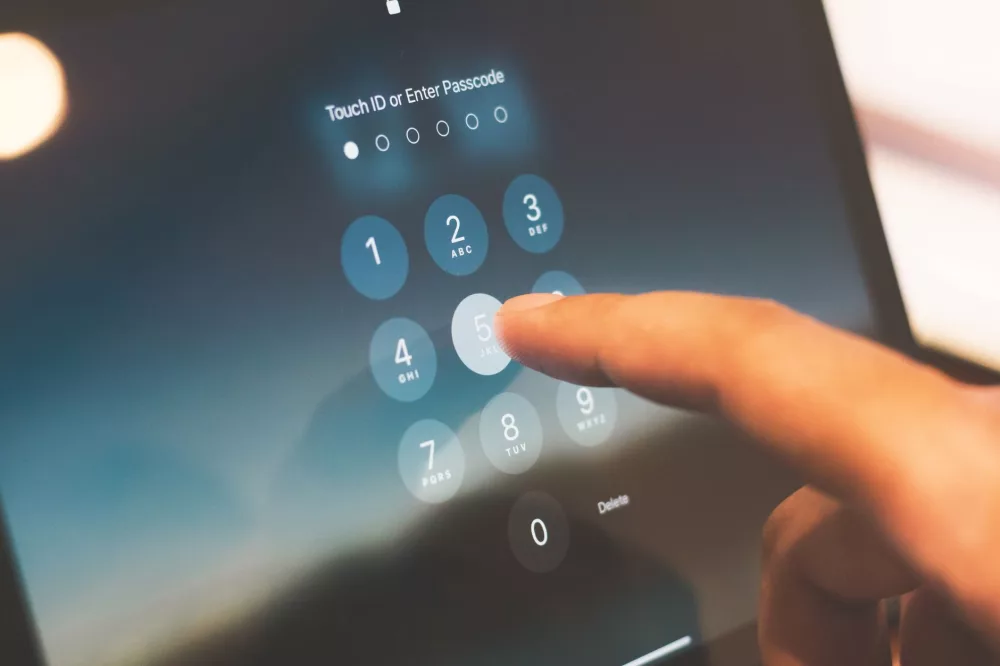
Introduction: Unpacking the Idea of iPhone Unlocking
Hey there! I'm guessing you've heard the term 'unlocking an iPhone' before. But what does that really mean? It turns out it's not just one thing, and who does it depends entirely on what kind of lock you're talking about. I want to clear up the confusion for you right now, because there are several distinct scenarios where an iPhone might need 'unlocking,' each with its own set of players and implications. Let's get into it!
1. Carrier Unlocking: Freeing Your Phone from a Network
First up, and probably the most common type of 'unlocking' people think of, is carrier unlocking. This is about removing the restriction that ties your iPhone to a specific mobile network, like AT&T, Verizon, T-Mobile, or Vodafone. When your phone is 'locked' to a carrier, it means you can only use a SIM card from that particular provider. If you try to pop in a SIM from another company, it just won't work.
Who Does It?
- Your Mobile Carrier: By far, this is the most legitimate and recommended way to get your iPhone carrier unlocked. They're the ones who put the lock on in the first place, typically because you bought the phone through them, often on a contract or payment plan. Once you've fulfilled your contract, paid off the device, or met certain eligibility requirements (which vary by carrier), they are usually obligated to unlock it for you. It's often a simple request through their customer service.
- Third-Party Unlocking Services: You'll also find various websites and small businesses that offer carrier unlocking services. While some of these are legitimate, offering a service that submits requests to carriers on your behalf (sometimes for a fee, or for older, out-of-contract devices), many others operate in a gray area. I'd personally advise caution here; some might use less-than-above-board methods or simply take your money without delivering. Always do your homework and read reviews if you go this route.
Why Do People Do It?
My own experience has taught me that this is usually the easiest kind of unlock to get, provided you meet a few simple requirements. People often want this for several reasons:
- Travel: So you can use local SIM cards abroad and avoid expensive roaming charges.
- Switching Carriers: To move to a different mobile network without having to buy a new phone.
- Resale Value: An unlocked iPhone generally fetches a higher price on the used market.
2. Bypassing Passcodes and Device Locks: When You Can't Get In
This is where things get a bit more technical and, frankly, sometimes a bit unsettling. When we talk about bypassing a passcode, we're usually looking at a few different scenarios where someone can't access the device itself because they don't know the PIN, pattern, or biometric password.
Who Does It?
- Law Enforcement and Forensic Experts: In criminal investigations, police departments and specialized forensic firms employ highly sophisticated tools and techniques to bypass passcodes on seized iPhones. These methods can be incredibly complex, often involving expensive hardware and software exploits that target vulnerabilities in iOS. I'm talking about tools like those developed by Cellebrite or Grayshift, which are incredibly potent.
- Apple (in Specific Cases): For forgotten passcodes, Apple's general policy is to help you restore your device, which means wiping all data. They won't bypass the passcode to preserve your data due to their strong stance on user privacy.
- Specialized Repair Shops (for Forgotten Passcodes): Some independent repair shops might offer a service to bypass a forgotten passcode, but this almost always involves restoring the device to factory settings, which means losing all your data unless you have a backup. There isn't a magical way for a legitimate shop to get into your phone and keep your data if you've forgotten the passcode.
Why Do People Do It?
- Forgotten Passcodes: We've all been there, right? You just can't remember that combination. For individual users, the goal is simply to regain access to their own device, even if it means a full data wipe.
- Criminal Investigations: For authorities, it's about accessing evidence stored on a device belonging to a suspect.
3. iCloud Activation Lock Bypassing: The Ultimate Anti-Theft Feature
Now, this is a big one, and often the source of a lot of frustration for folks who buy used devices or forget their Apple ID. The iCloud Activation Lock is actually a brilliant security measure Apple put in place with 'Find My iPhone.' Once enabled, your Apple ID and password are required to:
- Turn off 'Find My iPhone.'
- Erase the device.
- Reactivate and use the device.
Without the correct Apple ID and password, a device with Activation Lock enabled is essentially a brick. This is Apple's way of deterring theft, because a stolen iPhone is useless to a thief.
Who Does It?
- Apple (with Proof of Ownership): If you are the original owner and can provide proof of purchase (receipt, serial number, etc.), Apple can remove the Activation Lock for you. This is the only legitimate way to bypass it if you've forgotten your Apple ID details or acquired a device from someone who didn't properly sign out.
- Unauthorized Individuals and Scammers: Sadly, there's a whole underworld of individuals and services claiming they can bypass iCloud Activation Lock. Most of these are scams, preying on desperate users. The methods they *might* use, if they even work at all, often involve phishing for Apple ID credentials from the original owner (social engineering), or exploiting temporary software glitches that Apple quickly patches. Hardware-based bypasses (like swapping chips) are highly complex, expensive, and frankly, illegal if the device is stolen. I'd strongly recommend staying away from any service promising this unless it's directly from Apple with your proof of purchase.
Why Do People Do It?
Most commonly, people seek this because they've:
- Bought a Used Phone: And the previous owner didn't properly sign out of their iCloud account.
- Forgotten Apple ID Credentials: A legitimate owner might simply lose access to their own account.
- Stolen Phones: Thieves will try anything to make a stolen phone usable, but the Activation Lock is a powerful barrier.
4. Jailbreaking: Opening Up Your Device's System
While not technically 'unlocking' in the sense of removing a restriction imposed by a carrier or Apple's security features, jailbreaking often comes up in these conversations. It's more about gaining superuser access to your iPhone's operating system, allowing you to install unauthorized apps, customize the interface beyond Apple's standard options, and modify system functions.
Who Does It?
- Enthusiasts and Developers: Jailbreaking is typically done by individuals who want more control over their device. It's a niche community of tech-savvy users and developers who find and exploit vulnerabilities in iOS to gain root access.
Why Do People Do It?
- Customization: To change themes, icons, and interface elements.
- Unauthorized Apps: To install apps not available on the App Store (often called 'tweaks' or 'cydia apps').
- Advanced Features: To unlock capabilities Apple doesn't officially support.
Legal and Ethical Lines: What You Need to Know
I think it's really important for us to touch on the legal and ethical lines here. Not all 'unlocking' is created equal, and some methods can get you into serious trouble. Carrier unlocking, when done through your carrier or a legitimate service for a device you own and have paid off, is perfectly legal and ethical. Bypassing a passcode on your own device (even if it means a wipe) is also generally fine. However, attempting to bypass an iCloud Activation Lock on a device you don't legitimately own, or one you suspect is stolen, is not only unethical but potentially illegal. You could be implicated in handling stolen goods, and frankly, it's just wrong to try and profit from someone else's misfortune. Always be cautious and ensure you have proper documentation and ownership before attempting any kind of unlock that goes beyond a simple carrier request. Your security and peace of mind are worth it!